Restored mate bond
A Werewolf Thing: A Rejected Mate Werewolf RomanceRestored mate bond is the renewed state of Saphira Richards and Ashton Smith’s relationship after Ashton’s rejection of Saphira, and it is the condition that allows their private reconciliation to become a publicly recognized partnership. The bond is not restored by affection alone: it requires a precisely timed ritual, a physical mark, and collective acknowledgment of the pair’s place within the pack’s succession. Its restoration therefore joins romantic repair to bodily symbolism and political legitimacy.
Ritual Conditions and Restoration
The restoration begins when Ashton tells Saphira that he wants to perform the full moon ritual. Saphira reacts with shock, but accepts because she genuinely wants their bond restored. The ritual has strict conditions. It must take place at the closest full moon after the rejection, and the mate who rejected the other must mark the rejected mate when the moon reaches its highest point. That act restores the mate bond, making reconciliation a rule-governed transformation rather than an informal promise.
The timing gives the restoration an almost ceremonial pressure. Ashton announces that the following day is the full moon, meaning that the opportunity is immediate and cannot simply be postponed without changing the ritual’s conditions. The moon’s height functions as the decisive threshold: private regret must be translated into a prescribed action at a sacred moment. In this structure, the relationship moves from rejection and rupture toward reintegration through a ritual that requires Ashton to take responsibility for the status he created.
Marking and Bodily Recognition
After the ritual, Ashton and Saphira are mated and Ashton has marked her. The mark is located slightly below Saphira’s collarbone and takes the form of a rose wrapped in spiraling thorn vines, with Ashton’s name inside it. Saphira keeps the mark hidden beneath her shirt at school, but its concealment does not make it less significant. The mark is a permanent bodily record of the restored connection and carries Ashton’s identity directly on Saphira’s body.
The design combines tenderness and danger. The rose suggests love, while the thorn vines preserve the pain and difficulty surrounding the bond’s restoration. Because the mark is produced by the ritual that follows rejection, it represents not an untouched romance but a relationship rebuilt after damage. Saphira’s nervousness about the ritual also remains part of the state’s meaning. She says that Ashton was gentle and made sure she was completely ready, a detail that distinguishes the restored bond from coercion and presents his care during the ritual as one of the qualities she loves in him.
Private Reconciliation and Public Disclosure
The restored bond immediately creates a social obligation. Ella tells Saphira that, now that she and Ashton are mated and she is marked, they must announce the relationship at the next pack meeting. The ritual therefore changes more than the couple’s emotional status: it places the relationship before the pack and makes it subject to communal recognition. Saphira knows the announcement is expected on Friday because Ashton has already told her.
Ashton explains that the announcement is connected to the pack’s knowledge that its next alpha has found his mate. The language of succession makes the bond institutionally important. Saphira is not merely Ashton’s restored partner; she is the person whose presence validates his future position and who will stand beside him in the pack’s leadership structure. The restored bond thus converts a damaged private relationship into a public fact with consequences for authority, inheritance, and collective expectation.
Threats to the Restored State
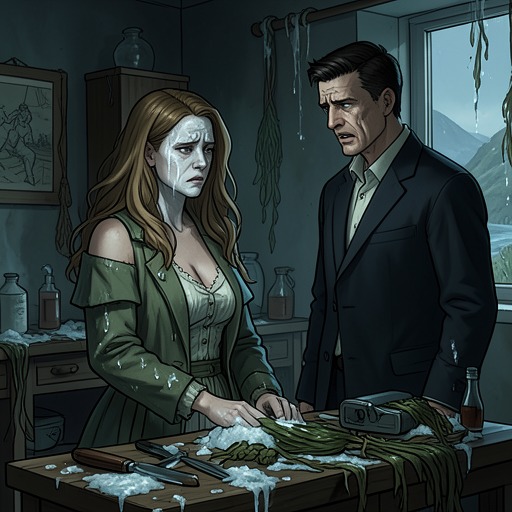
The renewed bond does not erase the circumstances that made restoration necessary. After the mating and marking, Saphira discovers a small plastic bag partly filled with a white powdery substance after it falls from Ashton’s pocket in the school cafeteria. When she asks why he has it, Ashton responds angrily that what he does is none of her business, snatches the bag from her, and pushes it back into his jeans pocket. His hostility directly conflicts with the intimacy the restored bond is supposed to establish: Saphira believes his conduct is her concern because he is her mate.
The conflict develops into a wider concern about Ashton’s condition. He admits that he has been drinking; his shirt is wrinkled, his hair is disordered, and his eyes are slightly glazed. Saphira becomes angry because alcohol and drugs still affect werewolves when used excessively, even if they do not affect them as strongly as humans. His substance use threatens both the safety of the relationship and the competence expected of a future alpha. The restored bond consequently carries an unresolved contradiction: ritual has repaired the supernatural connection, but it cannot by itself cure the behavior that strains trust and responsibility.
That contradiction culminates when Saphira leaves the pack house after Ashton refuses to change his position. At the door, she looks back in the hope that he will reconsider and withdraw what he has said, but he looks away. She bites her lip to stop herself from crying and runs from the pack house. The restored bond therefore remains vulnerable even after its formal completion. Its ritual success does not guarantee emotional security, and the physical mark becomes evidence of a relationship whose social and supernatural restoration is repeatedly tested by Ashton’s actions.
Leadership and Narrative Significance
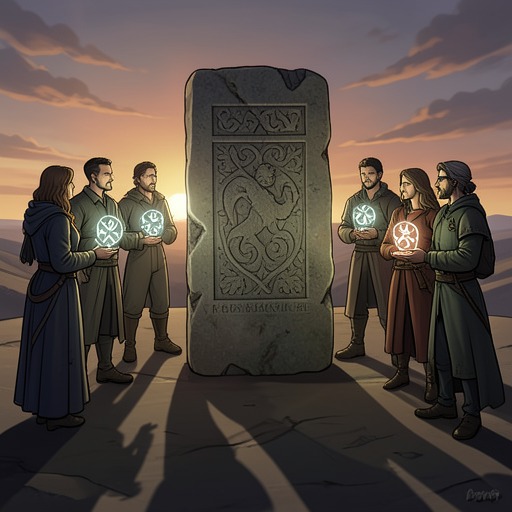
The bond’s public meaning reaches its clearest expression at the succession ceremony. David announces to the crowd that there will be a new alpha and Luna, naming Ashton Smith as the pack’s alpha and Saphira Richards as the mate who will join him as Luna. The crowd answers with cheers and wolf whistles, transforming the couple’s restored relationship into a communal spectacle. Their bond is no longer only a repaired intimacy; it is the foundation of a new leadership arrangement.
This progression gives the restored mate bond a double function. It is a romantic state formed through forgiveness, readiness, and ritualized bodily marking, but it is also a mechanism by which the pack recognizes legitimate authority. The full moon ritual repairs the connection between Saphira and Ashton; the mark makes that repair visible; the announcement and succession ceremony give it institutional force. At the same time, the later conflict over drugs, alcohol, and abandonment prevents the state from becoming a simple happily-ever-after resolution. The bond promises union, yet the narrative shows that restored supernatural attachment still requires trust, care, and responsible conduct to become a stable life together.